

Acrylic Slab Case or Bumper Guard? Choosing Protection for a Graded Card
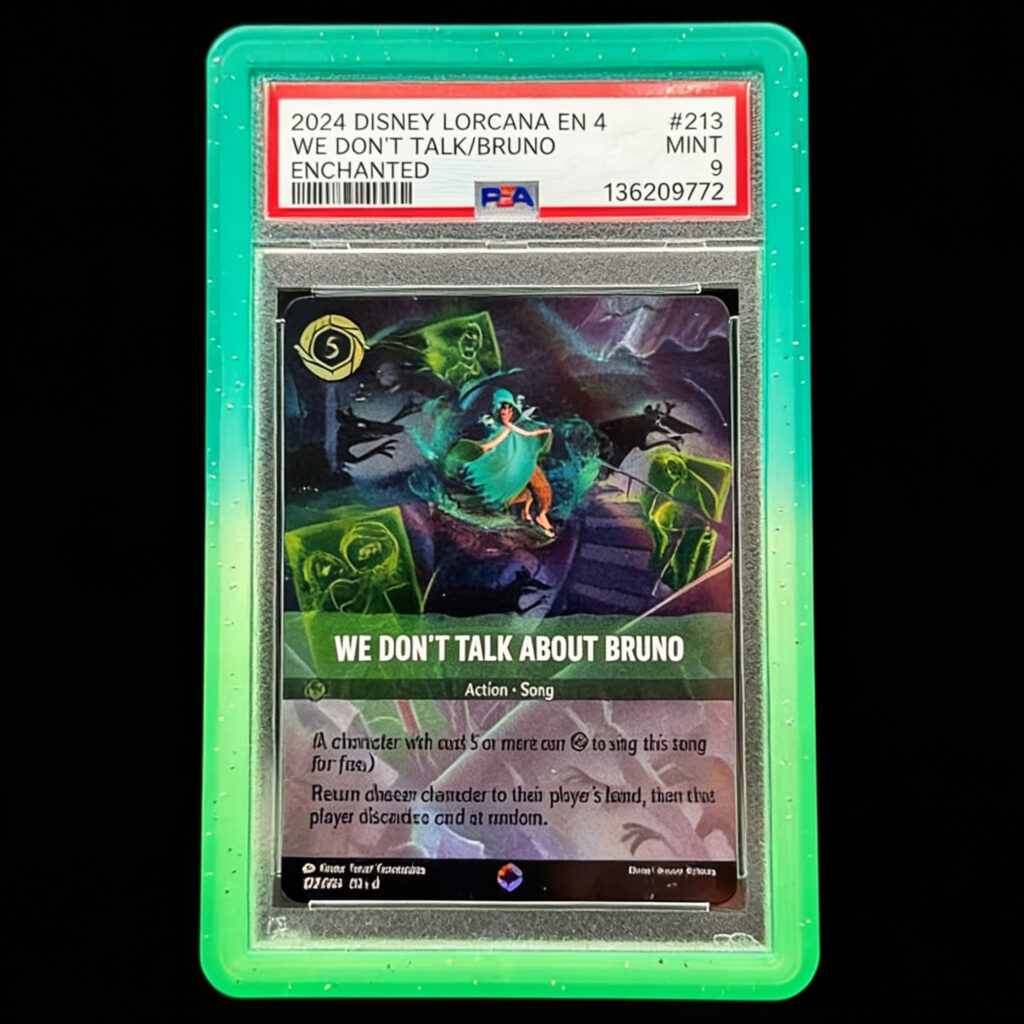
Getting a card graded solves one problem completely: the card inside is sealed, flat, and nobody is touching it again. What grading does not do is protect the case. And the case is now the thing your money is riding on, because a chipped, scuffed or cracked holder knocks value off a card that is technically still a 10.
So the question is not whether a slab needs protecting. It is which kind, for what you are actually doing with it.
Where slabs actually get damaged
It is worth being specific, because it tells you what to buy.
Corners. Almost every knock lands on a corner first. Drops, table edges, slab-against-slab in a bag. A chipped corner is the single most common slab injury.
The window. Fine scratches across the front, usually from other slabs. This is the damage people do to themselves, slowly, by storing or carrying cards loose together.
The label area. Scuffs across the label look worse than they are but affect what a buyer will pay, because the label is the proof.
Through-cracks. Rarer, usually pressure rather than impact — weight sitting on a stack.
Notice what is missing: the card itself. Once it is sealed, the card is fine. Everything on that list is about the plastic.
What a bumper guard does
A bumper guard is a frame that clips around the outside of the slab. It sits over the edges and corners — the parts that get hit — and adds a layer that takes the impact instead of the case.
It is the right answer for:
- Everyday handling. Cards you pick up, show people, move around.
- Storage together. Guards stop slabs sliding against one another, which is what causes window scratches.
- Transit. Going to a show, into a bag, or into the post.
- Volume. They are cheap enough to put on a lot of cards, and they do not add much bulk.
The other thing guards do, which is not strictly protection: they look good. Ours come in nine glitter colourways precisely because a wall of guarded slabs reads as a collection rather than a stack of plastic. The full range is here, from £6.99.
What an acrylic slab case does
An acrylic case is a rigid outer shell that the whole slab goes inside. Where a guard armours the edges, a case encloses everything.
It is the right answer for:
- Display. This is the main one. A card on a shelf, in a cabinet or on a desk, kept clean and dust-free.
- Your best card. The one where you want maximum separation between the slab and the world.
- Anything being posted that matters. A rigid outer shell means the slab is not what absorbs a knock.
The trade-offs are bulk and cost. You are not putting a hundred cards in acrylic cases, and you would not want to — they take up real space. Ours is £17.99, and it is a display piece as much as a protective one.
Which one, for your situation
You have a shoebox of graded cards you barely touch. Bumper guards, so nothing rubs. Keep them on edge rather than stacked flat.
You take cards to shows and trade nights. Guards on everything, in a bag with a display pocket. We wrote a full guide to carrying graded cards to a show.
You want three or four cards on display at home. Acrylic cases. This is exactly what they are for.
You are selling and posting. A guard as standard, an acrylic case if the card is expensive enough that the buyer will notice the difference on arrival. Then read up on which Royal Mail service actually covers a graded card, because that part catches people out.
You have one grail and everything else is ordinary. Case for the grail, guards for the rest. Do not spend evenly across a collection that is not valued evenly.
Does either one hurt the grade?
No. Neither a guard nor an outer case touches the sealed holder in a way that affects it, and neither is permanent — both come off. If you ever resubmit or crossgrade, you send the slab as it is; the protection is yours to keep.
Storing them properly
Whichever you use, a few things apply to all graded cards:
- On edge, not stacked flat. Stacked, the bottom card carries the weight of everything above it.
- Out of direct sunlight. UV fades printed card over time, and it is doing that through the window whether the card is graded or not.
- Away from heat and damp. Lofts and garages are the two worst places in a British house. Room temperature, indoors, is fine.
- Handled by the edges. Habit, mostly — but it keeps the window clear of fingerprints and the label clean.
The short answer
If the card moves, guard it. If the card sits somewhere you can see it, case it. Most collections need a lot of the first and a few of the second — and the mistake people make is buying neither until after the first chipped corner.
Buying for someone else rather than yourself? Our graded-card gift guide works through what a collector actually uses at each budget, and what to avoid.